


Why Choose Us?
Professional Team
Ningbo Huaqia Electronic Technology Co.,Ltd is one professional personal protective products manufacture in Ningbo, China. Our first earmuff factory was begun in 2004.
Wide Range of Products
Our main products include hearing protection, knee pads and elbow pads, labor protection gloves, etc., Specifically shooting earmuffs, hunting earmuffs, children's earmuffs, labor protection earmuffs, silicone earplugs, PU earplugs, labor protection knee pads and elbow pads, sports Knee pads and elbow pads.
Accept ODM/OEM Service
We can handle any type of OEM/ODM order, even small quantities, logo engraved or shipped in customized packaging.
Quality Control
We double-checked your each and every ordered item, firstly during mass production and secondly pre-shipment.
What Is Safety Eyewear
Safety eyewear is a form of ppe designed to protect or enclose the area surrounding the eye so that particulates, liquids or chemicals are prevented from harming the eye.


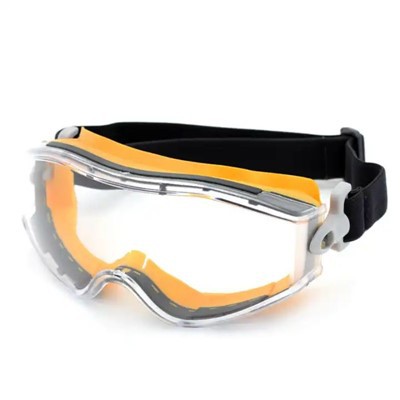
Characteristics of Safety Eyewear
Safety eyewears are a simple yet effective type of protective eyewear. The variety of styles available means they can be used by almost anyone and multiple types of protective coatings for the lenses means they can provide the required protection against many different hazards.
Key features to look for include the following.
Lens size: Quite simply, the size of the lens will make a big difference in the size of the area protected when worn; a larger lens will cover and protect the wearer more. But there is more than just the size, unless you need over glasses safety eyewears to fit over your specs!
Lens shape: The effectiveness of the protection will be affected by the shape of the lens, and the closer fitting the lens is to the wearers face, the better the eyewear will protect from hazards. Most safety eyewear will have a "wrap-around” lens; the lens is concave and follows the general shape of the wearers face.
Optical clarity of lens: Another element that can affect the wearer's vision is the quality of the optical clarity.
● Class 1 optical clarity is the highest quality and means it is safe for the eyewear to be worn "continuously” without harming the eyes.
● Class 2 is suitable for intermittent use, while the lowest quality, class 3, is only suitable for occasional use and should not be worn for any lengthened period of time.
Lens protective properties: There are many protective properties lenses can have. To cover these briefly though, you can find lenses that provide the following protection.
● Anti-scratch: Protects from lens surface damage, maintaining the optical clarity.
● Anti-mist/anti-fog: Prevents the lens from misting/fogging to keep vision clear.
● Anti-glare: Reduces sun-glare, common for eyewear worn outdoors.
● Welding filters: To varying degrees, these provide protection from welding and related activities.
● Ultraviolet (UV) filters: Provides protection from exposure to UV.
Mechanical strength: This refers to the level of impact protection the eyewear can withstand. The maximum protection safety eyewears can provide is low energy impact rating "F”, which will resist a 6mm, 0.86g ball travelling at 45m/s. Both the lens and the side-arms must be tested, and the eyewear will be rated according to the lowest protection level either achieve.
Side-arm style: Although safety eyewear is primarily concerned about protecting the eyes, by choosing a style that has wider side-arms, you can also increase the protection to the temple area. The relevance of this is, of course, dependent on the environment in which they are worn, but is worth considering if the option is available to you.
How to Recognize Safety Eyewears
Frames
Safety frames are stronger than streetwear frames and are heat-resistant. They help prevent lenses from being pushed into your eyes.
Lenses
Safety eyewears that meet ANSI standards have glass or polycarbonate lenses. They are stronger than streetwear lenses. They are also more impact-resistant. They come in prescription and nonprescription (plano) forms.
Top 5 Reasons to Wear Safety Eyewears
Protect against foreign objects or debris
Safety eyewears can prevent foreign objects or debris from damaging your vision. Dangerous particles or chemicals could be floating around in your workplace. Construction, welding, maintenance, mining, and other dangerous jobs can harm your vision. Dirt, dust, pollen, and wood can irritate your eyes and cause long-lasting damage.
01
Protect against extremely bright or unsafe lights
Safety eyewears could save your eyes from the harmful effects of high-intensity lights. These lights can come in many different forms and are used for everyday tasks such as motorcycles, cars, welding torches, lasers, and more. Wearing safety goggles will help protect you against these bright light sources that may
02
Preventing eye illnesses
Many computer-related jobs require that you stare at a monitor for hours on end. When the light from your computer enters and reflects off of your eye, it can cause fatigue in the eyes or even lead to vision loss. The most common eye illness caused by computers is called computer vision syndrome, which can lead to pain in the eyes and blurred vision. The best way to prevent this from happening is by wearing glasses while you are on a computer for long periods of time.
03
They're now fashion-friendly
Many people do not wear safety eyewears because they feel that the limited styling options are unattractive. However, there is a wide selection of styles to choose from and many companies offer customized frames with your company's logo on them! You can have bright colors or subdued tones.
04
Protection against chemicals and pesticides
Chemicals and pesticides can be dangerous to your eyes. They can cause inflammation, a condition in which the eye swells and becomes red as well as blurry vision. If you work with chemicals or pesticides on a regular basis, then it is important that you wear safety eyewears because they decrease the risk of having an allergic reaction to those products.
05
Safety Eyewears Impact Testing


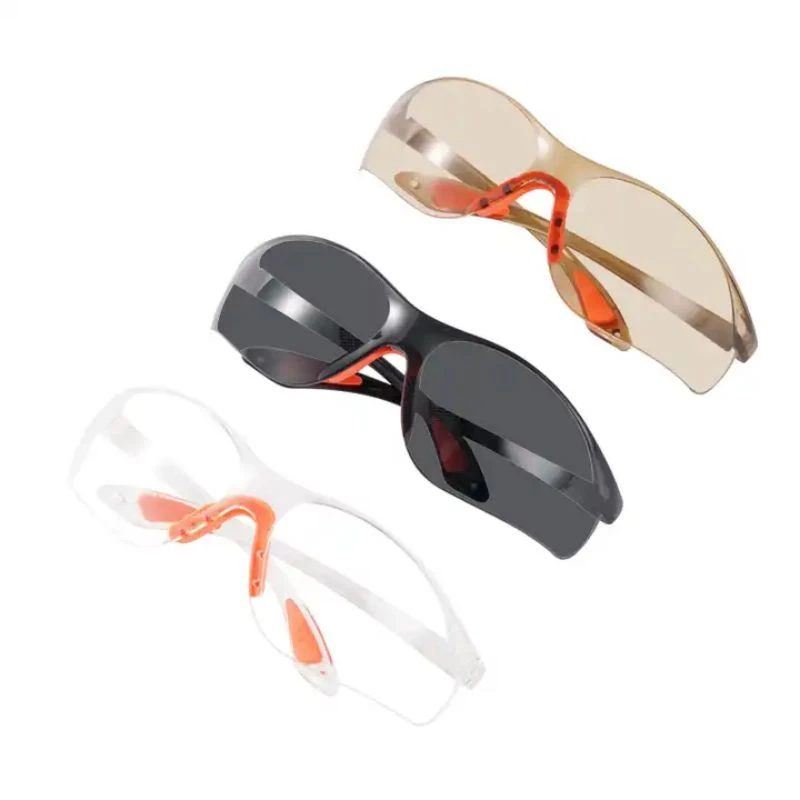
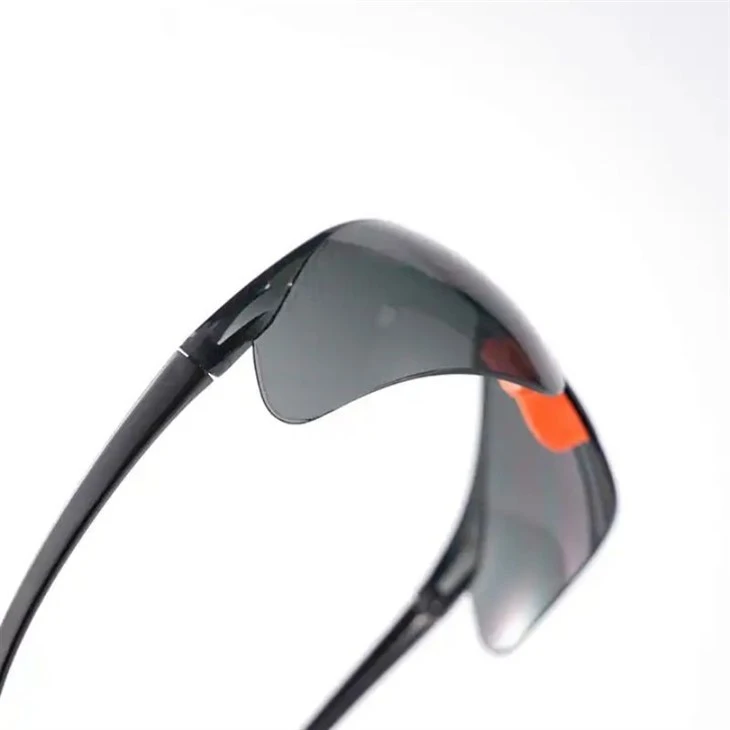
The first marking you'll likely see on your eyewear is "Z87” or "Z87+”. This is the ansi standard for impact protector requirements which helps ensure safety eyewear provides workers with the needed protection from impact hazards.
For safety eyewear to pass the basic Z87.1 standard, it must pass the drop ball impact test. This test involves a steel ball (that is one inch in diameter and weighing roughly 2.4oz) being dropped from a test height of 50 inches. For eyewear to pass, the lens and frames must remain intact.
Z87+ means that the eyewear meets a higher impact standard and goes through a much tougher set of tests than Z87.
There are three additional tests for Z87+:
High mass impact test
This test consists of dropping a 500-gram pointed weight from a height of about 50 inches (or 4.2 feet) onto lenses that are mounted on a head form. To pass this lens-retention test, no pieces from the frames or lenses may break free or fracture. The high-mass test is a good indicator of a product's strength and is meant to simulate an impact like a slipping tool that falls onto a worker's face or a lens collision with a stationary object.
High velocity impact test
This test involves a ¼ inch steel ball being shot at 20 different specified impact points. The speed and distance (or velocity) of the tiny steel ball varies, depending on the type of safety eyewear.
Safety eyewears – the steel ball is shot at a speed of 102mph
Safety goggles – the steel ball is shot at a speed of 170mph
The pass/fail criteria for the high velocity test is the same as the high mass test with the added criterion that the "eye” on the head form can't encounter the lens in any way when it's struck. This test is meant to simulate particles that workers could be exposed to when performing job functions such as grinding, chipping, or machining.
Penetration test (lenses only)
This test includes a weighted needle with a minimum total weight of 44.2g (1.56 oz) dropped from a height of at least 127 cm (50 in).
Safety Eyewears Benefits
Safety eyewears are not regular glasses, and regular glasses are not a replacement for safety eyewears. A major difference is the material used in the lenses. Some safety lenses are made with the same material that is used for airplane windshields, which is tested to withstand high-impact projectiles. The risk of this material shattering is negligible. Most conventional eyeglass lenses, while sturdy and built for everyday wear, are made of a plastic called acetate. That is not heavy-duty enough to protect your eyes in work situations.
Another difference is the wide coverage provided by safety eyewears. In addition to protecting the eyes from objects in the front, safety eyewears have side shields to protect the peripheral and temple areas.
Regular glasses are meant for comfort, not protection, with no additional coverage.
In the workshop: A place of creativity and risks
Workshops are where creativity flourishes but also where dangers lurk. Whether you're sawing wood, soldering, or grinding metal, the air is filled with hazardous debris. Safety eyewears with side shields offer extra protection, shielding your eyes from all angles. It's about guarding against the unseen, as much as the seen.
Under the open sky: The great outdoors
Who said safety eyewears can't be stylish? Enter safety sunglasses. Whether landscaping, building, or enjoying outdoor sports, uv protection is crucial. Safety sunglasses protect against harmful uv rays while keeping you looking sharp. For those in high-glare environments, mirror safety eyewears reduce eye strain, helping you focus without squinting.
In laboratories: Where discovery meets safety
Science thrives on discovery, but safety is paramount. In labs, where chemicals and dangerous substances are common, safety eyewears are your first line of defence. Opt for models with tight-fitting side shields to ensure comprehensive protection.
On construction sites: Building safely
Construction sites are hubs of activity, with constant movement and potential hazards. Here, robust safety eyewears with side shields are indispensable. They protect against dust, debris, and materials that can cause injury. Ensuring everyone's safety is the goal.
In everyday life: Because accidents happen
It may seem excessive to wear safety eyewears for daily activities. However, consider how often your eyes are at risk. From mowing the lawn to cleaning the garage, dangers are present. Incorporating safety eyewears into more aspects of daily life can prevent unexpected injuries.
What to Look for When Buying Safety Eyewears
The first and most vital thing to remember is that one size does not fit all. Head and facial shapes all differ requiring a range of eyewear from which employees can select. Involvement in this process not only ensures a proper fit, crucial for the wearer's safety, it also increases the likelihood that eyewear stays worn throughout the working day. A good fit also takes into consideration the 'wearability' of safety eyewear which should include the following.
Eyewear should deliver a low-pressure, lightweight fit with even weight distribution. Injection-moulded hard and soft components around the brow, nose and on side arms not only increases comfort but ensures eyewear stays put. Adaptable features such as lens inclination and extendable side arms allow wearers to achieve the ultimate close fit (to keep hazards out) and find a position that means they can work comfortably, confidently and with as little distraction as possible.
Lens optical quality reduces eye strain, fatigue and headaches (optical class 1). Lenses with excellent optical quality are free of aberrations and imperfections – allowing the wearer to see using as close to natural vision as possible. Low-quality safety eyewear can result in poor optical clarity, one of the biggest factors in eye fatigue due to tiny distortions in the lens.
Ningbo Huaqia Electronic Technology Co.,Ltd is one professional personal protective products manufacture in Ningbo, China. Our factory is located in Ningbo, the world's largest sea port, very close to Shanghai. Our main products include hearing protection, knee pads and elbow pads, labor protection gloves, etc., Specifically shooting earmuffs, hunting earmuffs, children's earmuffs, labor protection earmuffs, silicone earplugs, PU earplugs, labor protection knee pads and elbow pads, sports Knee pads and elbow pads.
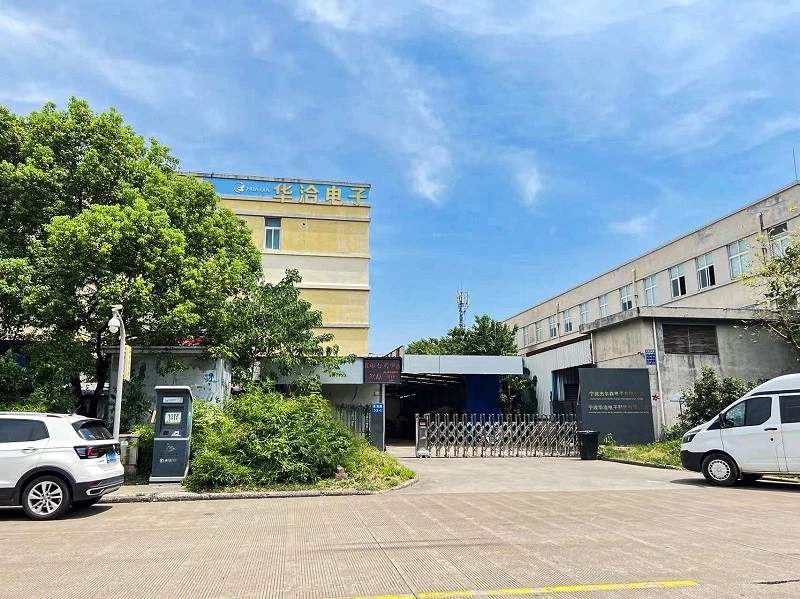
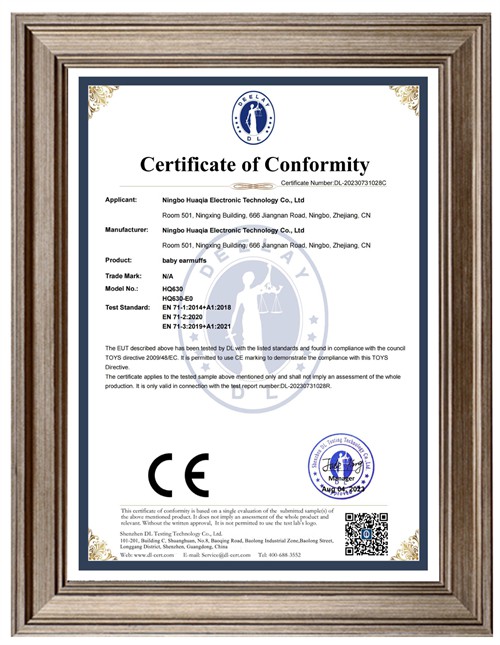
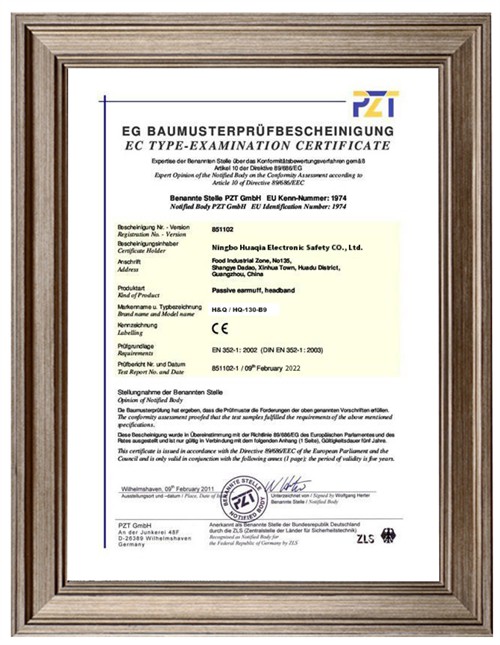
Our Certificate





FAQ
We're professional safety eyewear manufacturers in China, specialized in providing high quality customized service. We warmly welcome you to buy high-grade safety eyewear at competitive price from our factory.
soundproof ear protection, newborn ear protection, noise cancelling earmuffs for work